Placeholder - more to come.


We wake up after barely sleeping at all, Rob is anxious and excited as this is his first flight, and Louise is really nervous and excited because, well just because we’re finally going to Japan!
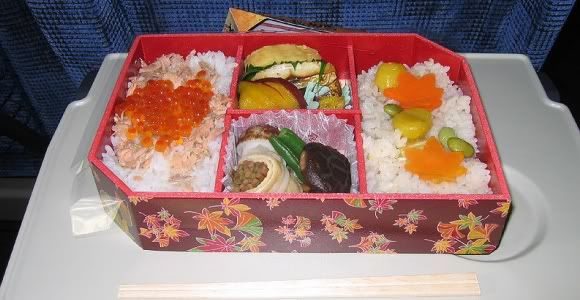
Bento is a single-portion meal that can be either homemade or takeout. Basically it's a pack-up, but Japanese style.

We wake up jetlagged, but pleased we didn’t draw the blinds, the view is still amazing, and we can watch ant-sized Japanese people rushing to work while we feast on Milk Pocky, Koala’s March biscuits and odd textured buns masquerading as donuts, all washed down with cold coffee and grape Fanta.

No doubt you've heard all about Tokyo train stations. The horror stories of how busy they are, how confusing the maps are, how people get pushed onto rush hour trains. Forget all of your preconceptions - Tokyo has possibly the most efficient train station in the world

We wake up super early again – a combination of jet lag and excitement, we’re going to Ueno Zoo today! This is one of the things we planned immediately when we decided to go to Tokyo, so we’re really looking forward to it, particularly because this will be the first time either of us have ever seen a panda.

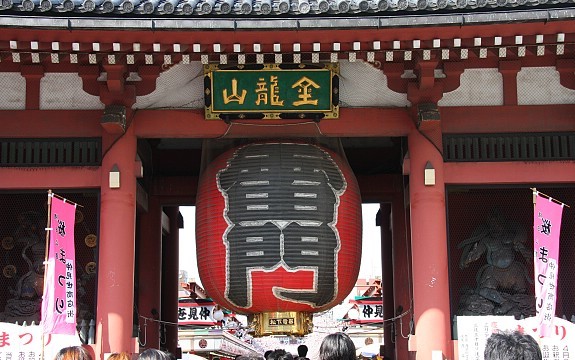
Asakusa (浅草) is a district in Taitō, most famous for the Sensō-ji, a Buddhist temple. Asakusa is Tokyo's oldest geisha district and a former entertainment district. Asakusa's main attractions are a number of shrines and temples, including the Sensō-ji, a small carnival complex called Hanayashiki and traditional activities such as river cruises and rickshaw rides.